

Planning a pool for your South Carolina home involves more than choosing the perfect design it requires understanding the realistic timeline from contract signing to that first family swim. After managing hundreds of pool installations throughout Spartanburg and Greenville, we’ve learned that informed homeowners experience less stress and more satisfaction with their pool projects.
The truth is, pool installation timelines vary based on factors unique to our upstate region: clay soil conditions, seasonal weather patterns, local permit processes, and the complexity of your specific design. While every project is different, understanding the typical phases and potential delays helps you plan accordingly and set realistic expectations for your family.
Once you’ve signed your contract, we’ll finalize your pool design and begin the permit application process. In Spartanburg County, residential pool permits typically take 7-10 business days for approval, while Greenville County processing times average 10-14 days. We handle all permit applications, but having your property survey and site plan ready can expedite the process.
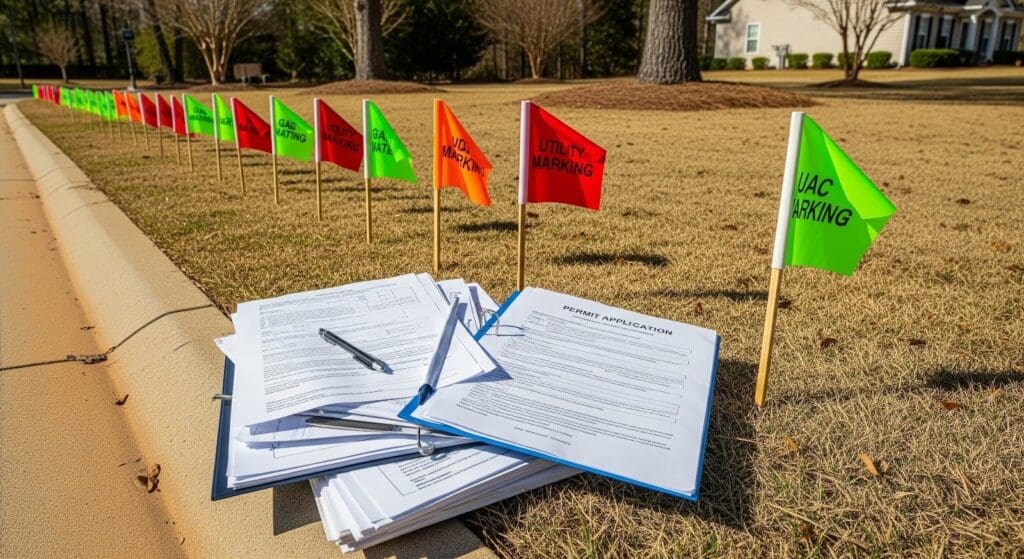
During this phase, we’ll also schedule utility marking services. South Carolina law requires 811 calls at least 72 hours before excavation, and we typically allow a full week to ensure all utilities are properly marked. This includes not just obvious services like electricity and gas, but also cable, internet, and irrigation systems that might not be immediately visible.
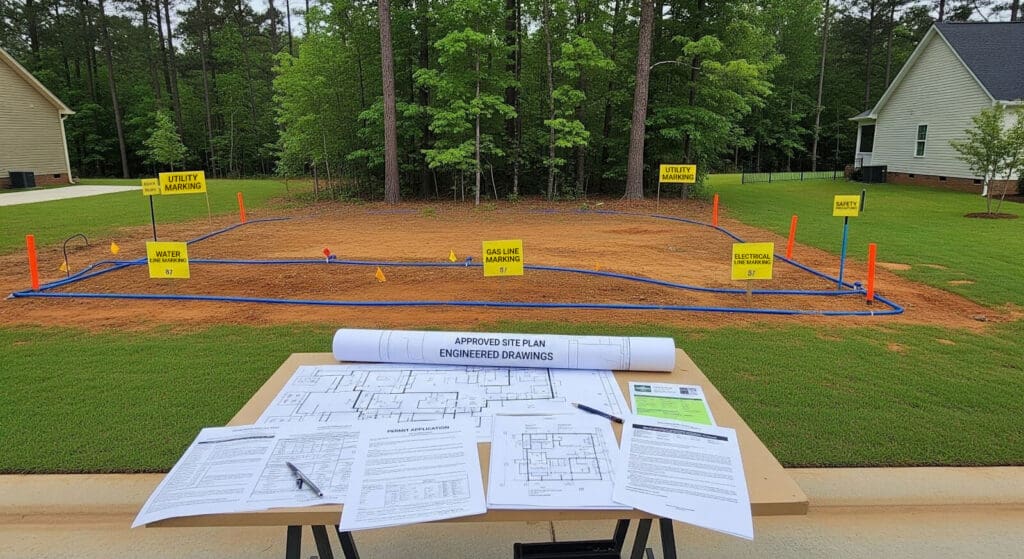
We’ll schedule an on-site meeting to walk through the construction timeline, discuss access routes for equipment, and address any site-specific challenges. This is when we identify potential obstacles like mature trees, septic systems, or challenging grade conditions that might affect scheduling.
During this meeting, we’ll also discuss weather contingencies. South Carolina’s weather can be unpredictable, especially during the spring and summer months when afternoon thunderstorms are common. Having a realistic conversation about weather delays upfront prevents frustration later in the process.
The excavation phase marks the visible beginning of your pool project. In South Carolina’s clay-heavy soils, excavation typically takes 1-2 days for most residential pools, though challenging conditions or access limitations can extend this timeline.
Our crews arrive early to minimize disruption to your neighbors and take advantage of cooler morning temperatures during the summer months. We’ll establish equipment access routes and begin excavation using appropriate machinery for your lot size and access conditions.
South Carolina’s red clay presents unique challenges compared to sandy soils found in coastal regions. Clay becomes sticky and difficult to work with when wet, which is why we monitor weather forecasts closely and may delay excavation if significant rain is predicted. Conversely, extremely dry clay can become hard-packed and require special equipment to excavate efficiently.
Once excavation is complete, we install the steel rebar framework that provides structural integrity for your gunite pool. This process typically takes 1-2 days, depending on pool complexity and any custom features like spas, beach entries, or elaborate step configurations.
The steel phase includes rough plumbing installation, where we run main drain lines, skimmer connections, and return plumbing. All plumbing work must pass inspection before we can proceed to the gunite phase, so we schedule inspections promptly to avoid delays.
The gunite phase is often the most exciting for homeowners because it’s when your pool really takes shape. Weather plays a crucial role during this phase, as gunite application requires specific temperature and humidity conditions for optimal curing.
Gunite application typically takes one full day for most residential pools. Our crews arrive with specialized equipment to spray the concrete mixture over your steel framework, creating the structural shell of your pool. This process requires skilled craftsmen who understand how to achieve proper thickness and smooth finishes throughout the entire structure.
In South Carolina’s humid climate, we pay special attention to curing conditions. High humidity can benefit the curing process, but we avoid gunite application during active rain or when temperatures exceed 95 degrees, as these conditions can compromise the concrete’s integrity.
After gunite application, the concrete needs 7-10 days to cure properly before we can proceed with additional construction phases. During this curing period, we’ll water the shell regularly to prevent cracking, especially during hot, dry periods common in upstate South Carolina summers.
This curing phase often provides a natural break in construction that allows us to order materials for subsequent stages and coordinate inspections. It’s also when homeowners usually start getting excited about their pool taking recognizable shape.
With the gunite shell cured, we move into the technical phases of plumbing and electrical installation. These systems require careful coordination and inspection before being concealed by backfill and decking.
We complete all remaining plumbing connections, including equipment pad preparation, filtration system plumbing, and any water features or spa connections. South Carolina’s freeze-thaw cycles, while infrequent, require specific attention to pipe depth and freeze protection measures.
Our plumbing installations include provisions for future equipment upgrades and maintenance access. We’ve learned from years of service calls that planning for easy access during initial installation saves homeowners time and money over the pool’s lifetime.
Electrical work includes pool lighting, equipment connections, and safety systems required by South Carolina building codes. All electrical work must be performed by licensed electricians and pass inspection before being concealed.
Modern pool electrical systems include GFCI protection, bonding for metal components, and appropriate disconnects for safety. We also install conduit for future additions, such as automation systems or additional lighting, which homeowners often add later.
The tile and coping phase adds the aesthetic elements that define your pool’s final appearance. Weather can significantly impact this phase, as temperature extremes and humidity affect adhesive curing and tile setting.
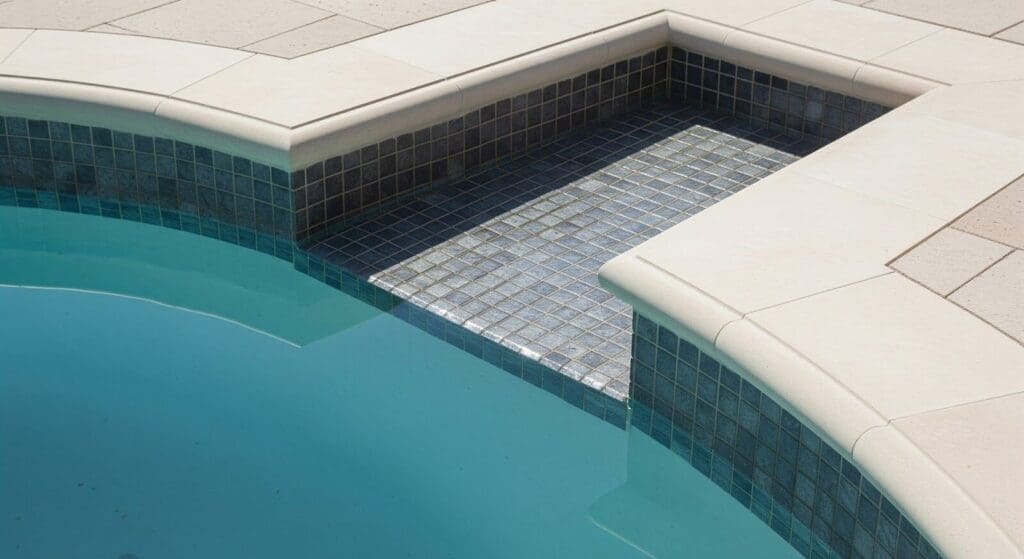
We install your chosen waterline tile and coping materials, paying careful attention to expansion joints and proper drainage. South Carolina’s temperature swings require specific installation techniques to prevent cracking or shifting over time.
During summer months, we often start tile work early in the morning to avoid working with adhesives during peak heat hours. Proper curing of tile adhesives is crucial for long-term durability, especially around the waterline, where constant wet-dry cycles occur.
Decking installation transforms your pool area from a construction site into an outdoor living space. This phase requires coordination between concrete crews, landscaping, and final grading work.
We prepare and pour concrete decking, paying attention to proper slopes for drainage and integration with existing hardscaping. South Carolina’s clay soils require careful preparation to prevent settling or cracking of deck areas.
Weather plays a critical role during concrete pours. We avoid pouring during predicted rain and adjust schedules based on temperature forecasts. Proper curing of deck concrete is essential for preventing cracks and ensuring long-term durability.
Proper backfill around your pool shell prevents settling and water infiltration issues common in clay soils. We use appropriate backfill materials and compact in lifts to ensure stability around your pool structure.
Final grading prepares your yard for landscaping and ensures proper drainage away from pool areas. This work often reveals the need for minor adjustments that can add a few days to the timeline but prevent future problems.
The final construction phase involves installing and commissioning all pool equipment. This technical phase requires careful attention to manufacturer specifications and local code requirements.
We install pumps, filters, heaters, and automation systems according to your pool’s specific requirements. Equipment sizing and selection were determined during the design phase, but installation requires precise connections and commissioning procedures.
All equipment installations include startup procedures and performance testing to ensure everything operates as designed. We also provide homeowner training on equipment operation and basic maintenance procedures.
Filling your pool and balancing the water chemistry marks the transition from construction to enjoyment. South Carolina’s municipal water supplies vary in mineral content and pH, requiring specific startup procedures for optimal water quality.
The initial chemical balancing process takes 2-3 days and includes brush-downs to remove any plaster dust or construction residue. We handle this entire process and provide you with balanced, swim-ready water.
The final week involves inspections, cleanup, and homeowner orientation. This phase ensures everything meets code requirements and your family is prepared to enjoy their new pool safely.
All pool installations require final inspections from local building departments. We coordinate these inspections and address any items that need correction before final approval.
Inspection requirements vary between Spartanburg and Greenville counties, but typically include structural, electrical, and safety barrier inspections. Having all permits and documentation organized expedites this process.
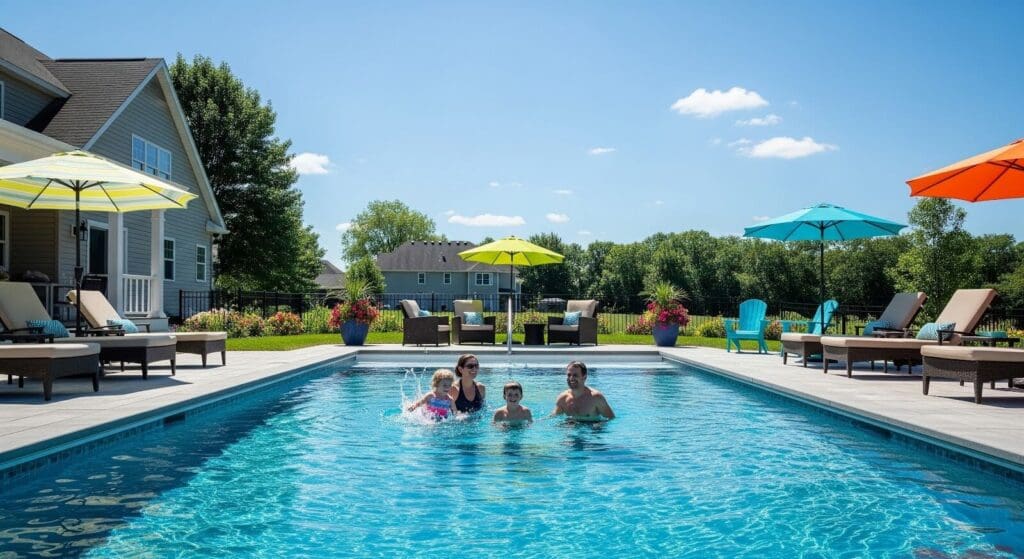
We conduct a comprehensive homeowner orientation covering equipment operation, maintenance procedures, and warranty information. This session ensures you’re comfortable with all aspects of pool ownership before we consider the project complete.
Final cleanup includes removing all construction debris, restoring landscaping areas, and ensuring your property is returned to pristine condition. We take pride in leaving your yard as clean as we found it, just with a beautiful new pool.
March through May typically provides the best construction conditions, with moderate temperatures and less frequent severe weather. Fall construction (September through November) also offers favorable conditions, though shorter daylight hours can affect daily productivity.
Summer construction requires more weather flexibility, as afternoon storms can delay concrete pours and other weather-sensitive phases. However, summer installations allow immediate enjoyment once the pool is complete.
We build weather contingencies into all project timelines and maintain open communication about potential delays. Most weather delays are short-term (1-3 days), but occasionally, significant storm systems can impact schedules more substantially.
Having realistic expectations about weather impacts helps reduce stress and allows for better planning around family events or entertaining plans.
Your involvement as a homeowner can significantly impact the project timeline’s success. Preparation and communication are key factors in keeping installations on schedule.
Clearing access routes, relocating outdoor furniture, and ensuring equipment access help crews work efficiently. We’ll provide specific preparation instructions, but proactive homeowners often prevent small delays that can compound over time.
Prompt responses to questions about materials, features, or site conditions keep projects moving smoothly. While we handle most coordination, homeowner input is sometimes needed for aesthetic choices or site-specific decisions.
Understanding that construction involves some flexibility helps everyone work together toward successful completion. Quality work sometimes requires additional time, and we’d rather deliver excellence than rush to meet arbitrary deadlines.
Your pool installation timeline represents a significant investment in your family’s lifestyle and your property’s value. By understanding the realistic phases and potential variables, you can plan accordingly and enjoy the construction process rather than stress about it.
Working with experienced local contractors who understand South Carolina’s unique conditions ensures your timeline is both realistic and achievable. When everything comes together from permits to final startup, you’ll have a beautiful pool that provides decades of family enjoyment and memories.
The key to timeline success is balancing efficiency with quality, allowing for South Carolina’s weather realities, and maintaining open communication throughout the process. When you’re finally taking that first swim in your completed pool, the construction timeline becomes a distant memory compared to the years of enjoyment ahead.